How Long Does a Roof Last in New Jersey?
Our climate is hard on roofs in two ways: freeze-thaw cycles and ice dams in winter, and summer sun that bakes south- and west-facing slopes. In practice, most asphalt roofs here reach their early-to-mid twenties. Well-ventilated, well-installed roofs go longer; poorly ventilated ones can fail before 15.
Lifespan by Material
- 3-tab asphalt
- 15 to 20 years. Largely replaced by architectural shingles.
- Architectural asphalt
- 20 to 30 years.
- Slate
- 75 years or more, if the flashing is maintained.
- Flat roofs (TPO, EPDM, modified bitumen)
- 15 to 30 years, depending on the system and drainage.
What Shortens a Roof's Life Here
- Poor attic ventilation: heat and moisture cook the shingles from below.
- Ice dams: water backed up under the shingles at the eaves.
- Overhanging trees: shade, moss, and debris in the valleys and gutters.
- Sun exposure: south and west slopes wear first.
- Installation shortcuts: wrong nailing, missing ice-and-water shield, reused flashing.
Not sure what your roof needs? We inspect, photograph what we find and put the price in writing. Free, with no obligation.
Signs Yours Is Near the End
- Granules in the gutters and dark bare patches on the shingles
- Curling, cupping or cracked shingles
- Daylight or water stains in the attic
- Leaks in more than one place
- Neighbours with roofs of the same age replacing theirs
How an Inspection Extends It
Most roofs don't fail all at once; they fail at one weak point that's left too long. An inspection every couple of years catches cracked boots, loose flashing and early ventilation problems while they're cheap to fix, and the condition report tells you how much remaining service life to plan for.
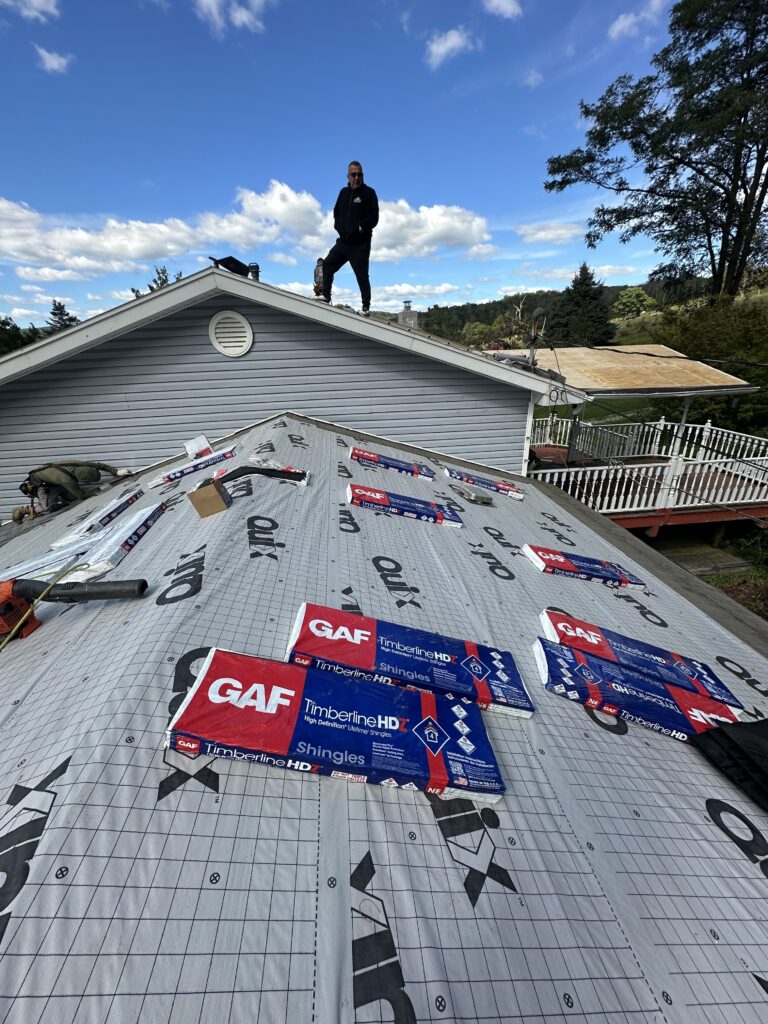
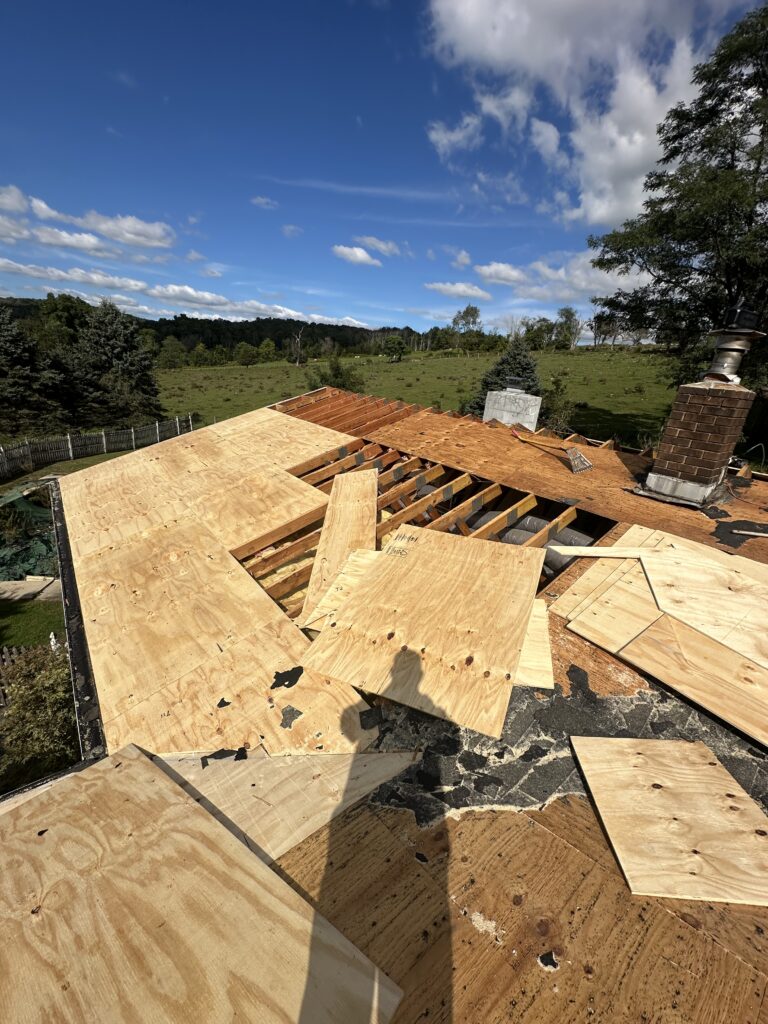
Recent Roofing Projects
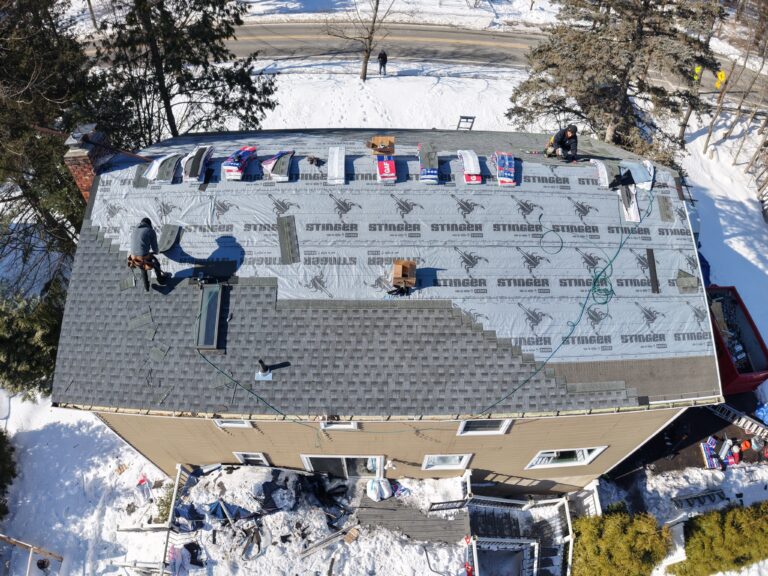
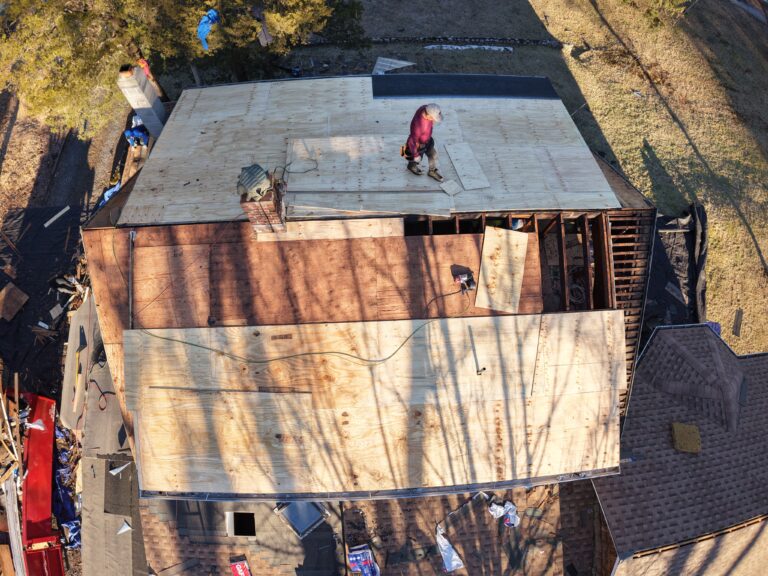
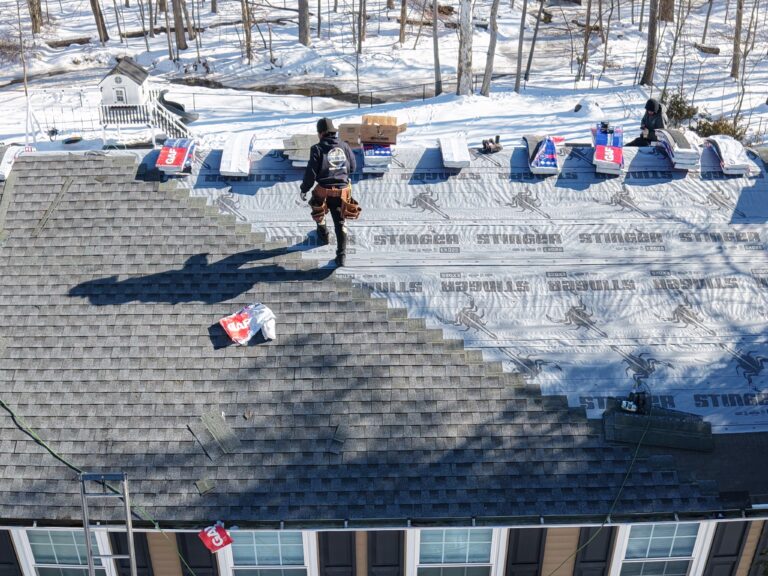
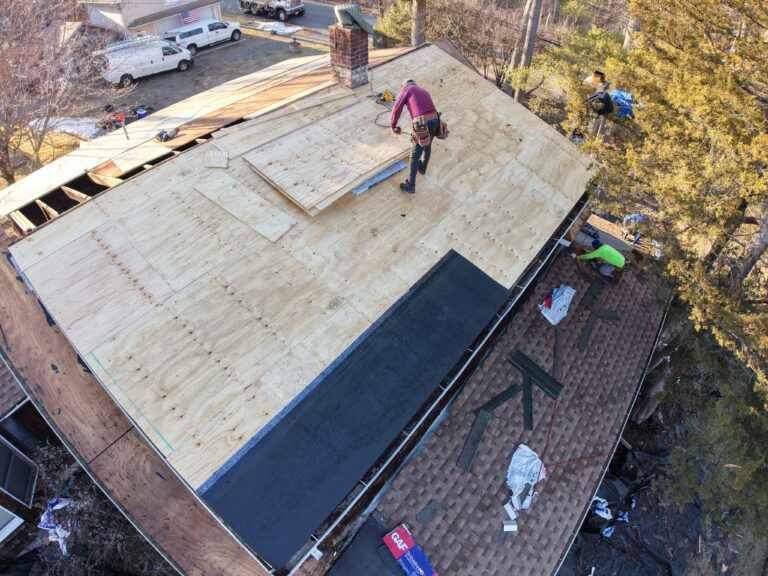
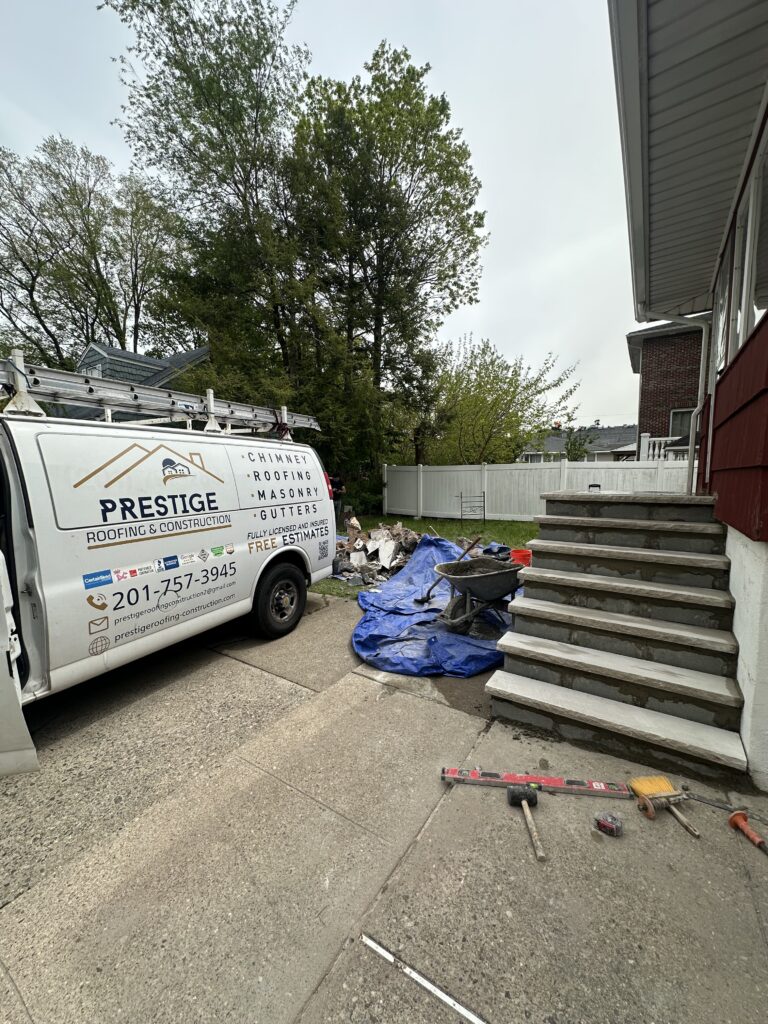
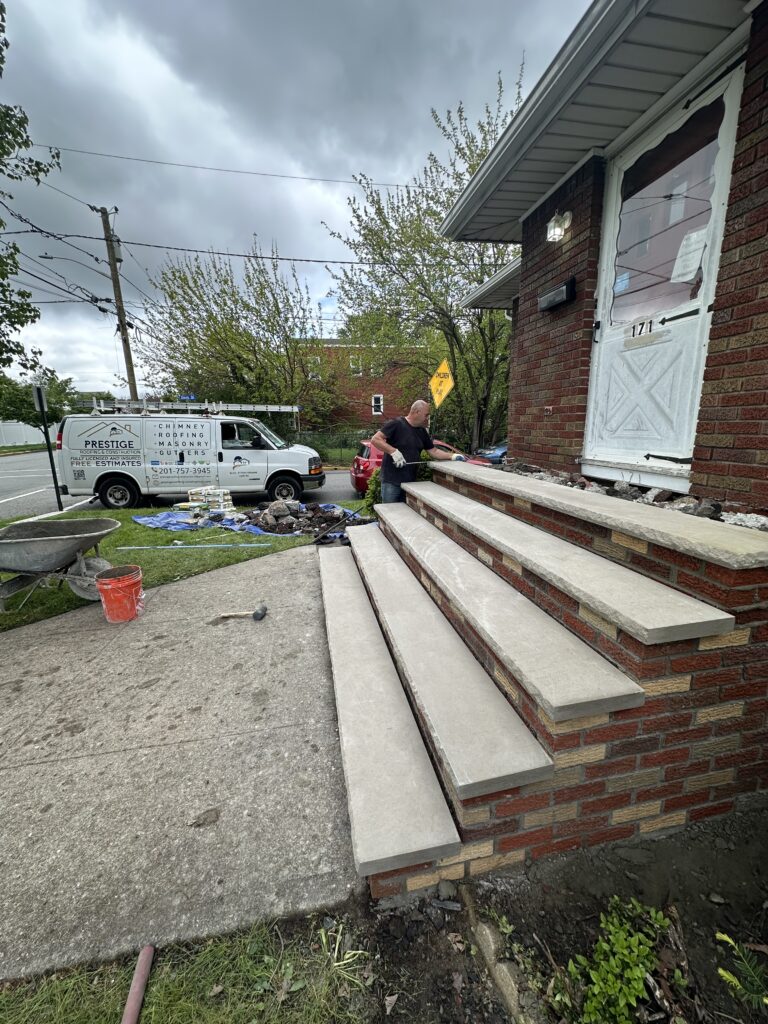
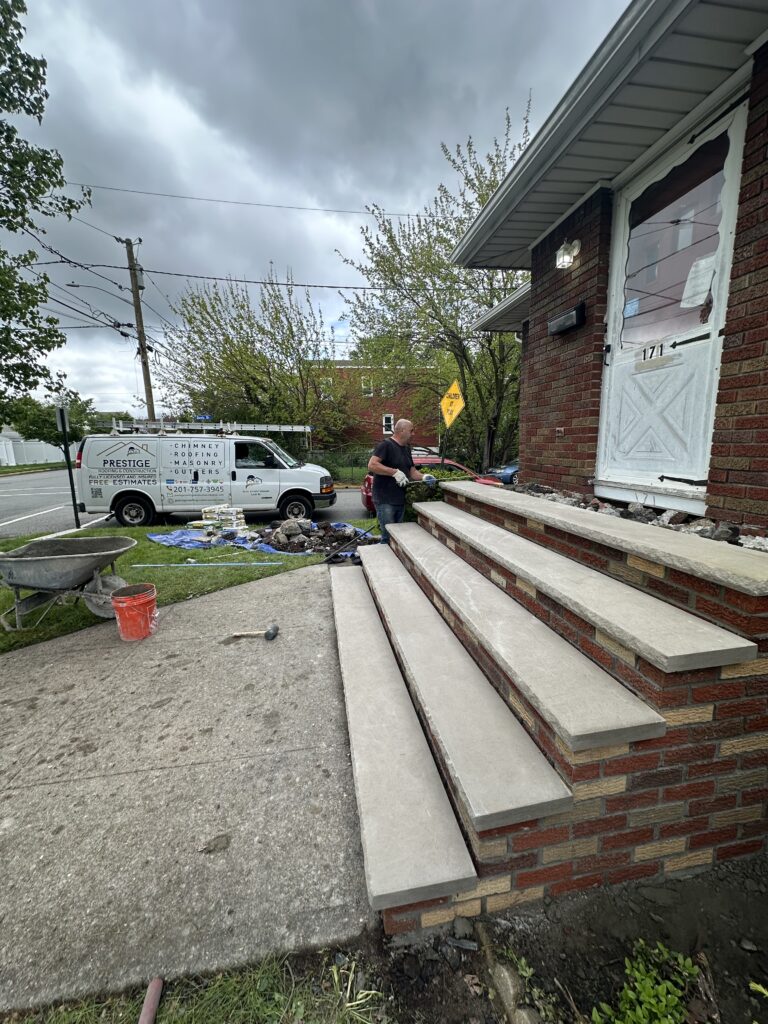
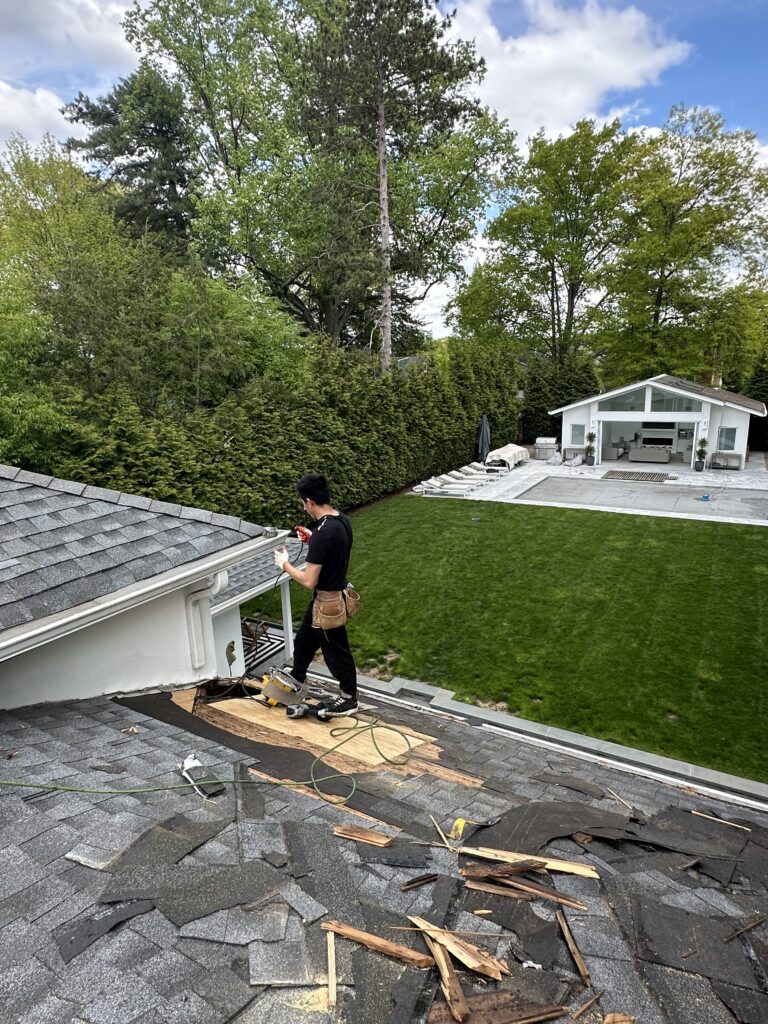
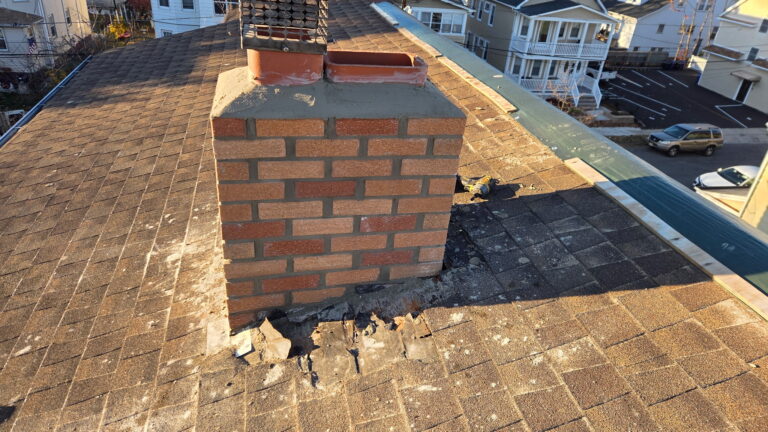
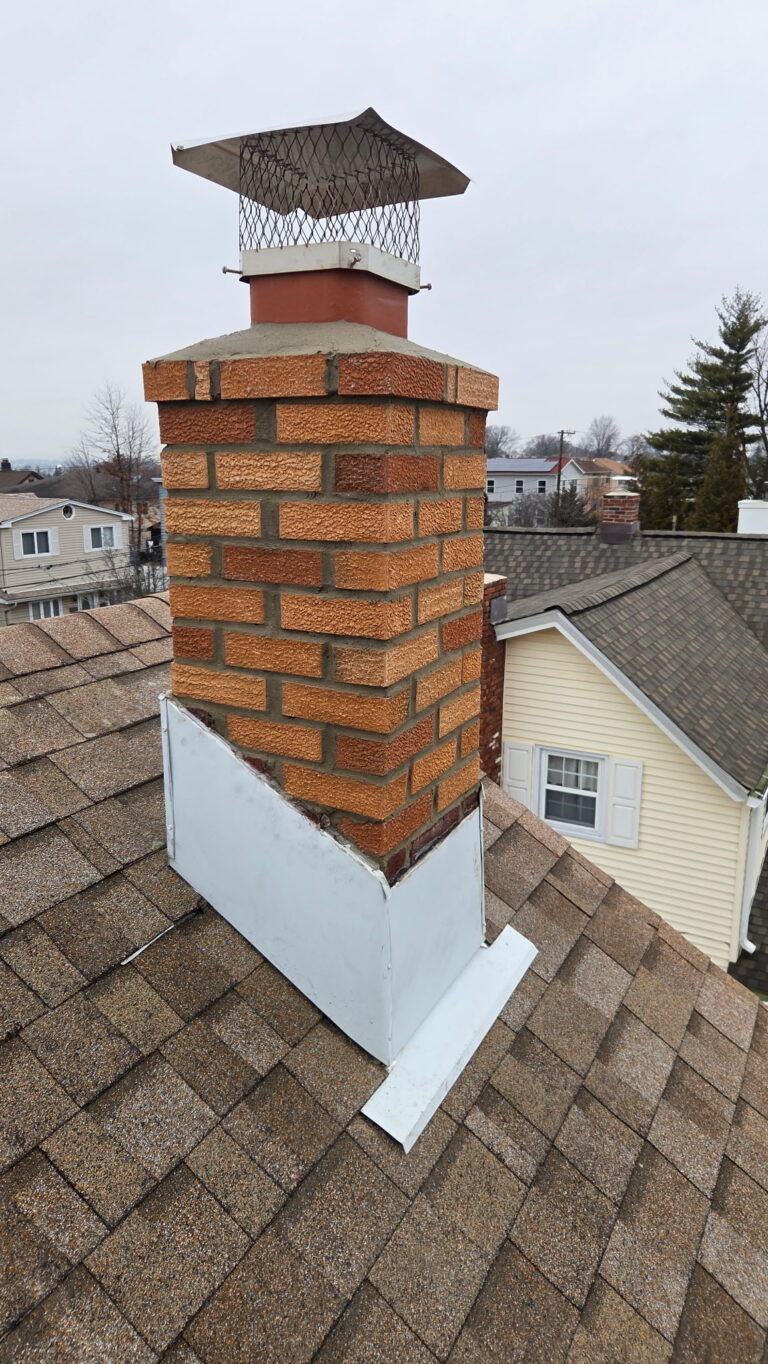
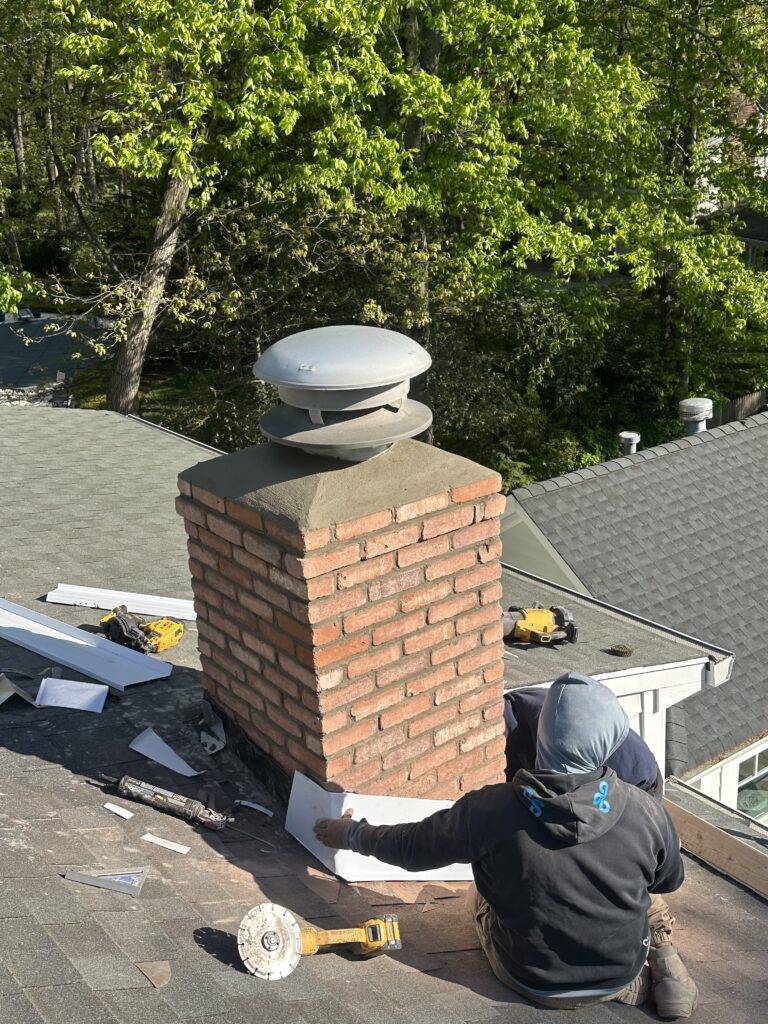
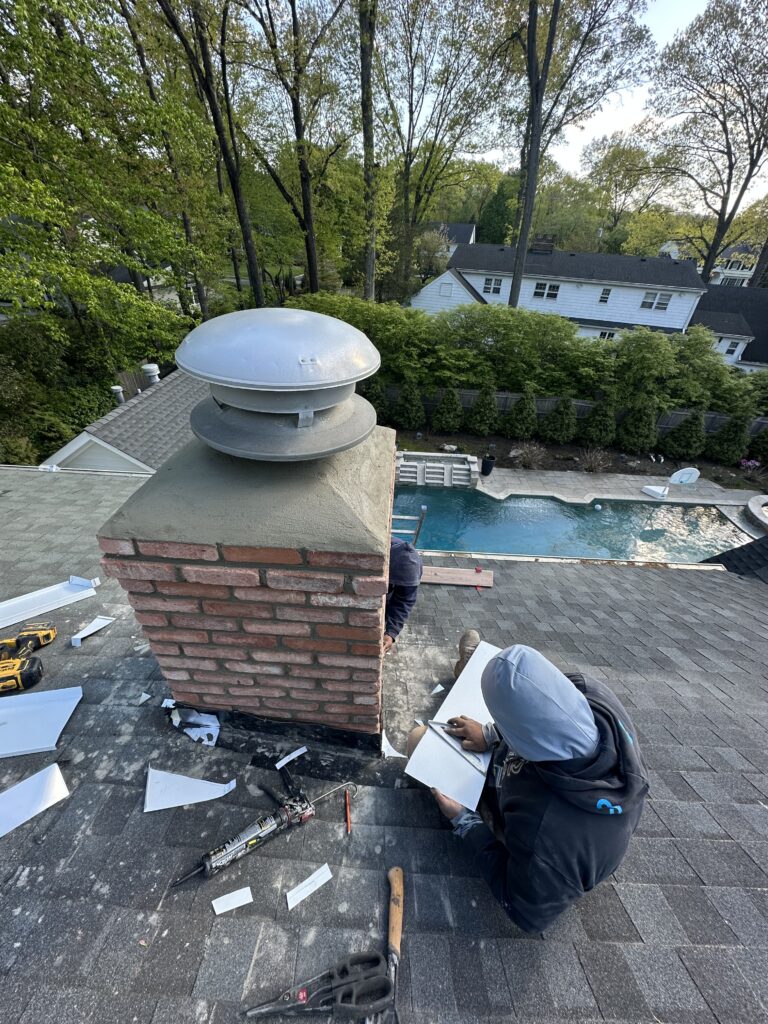
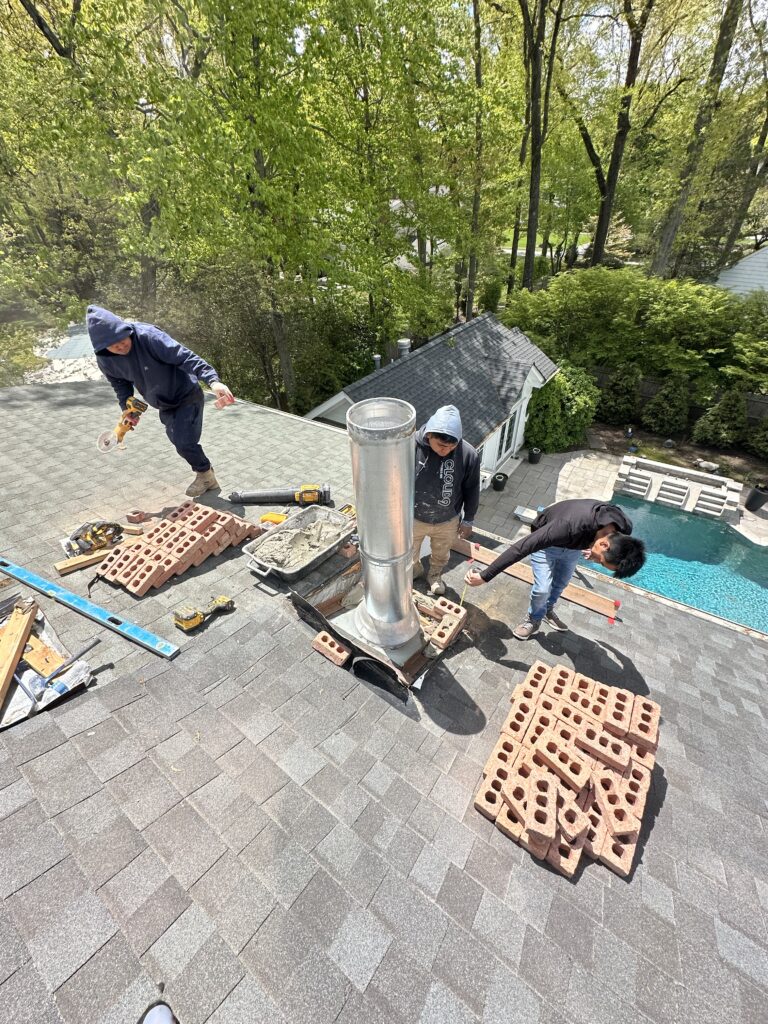
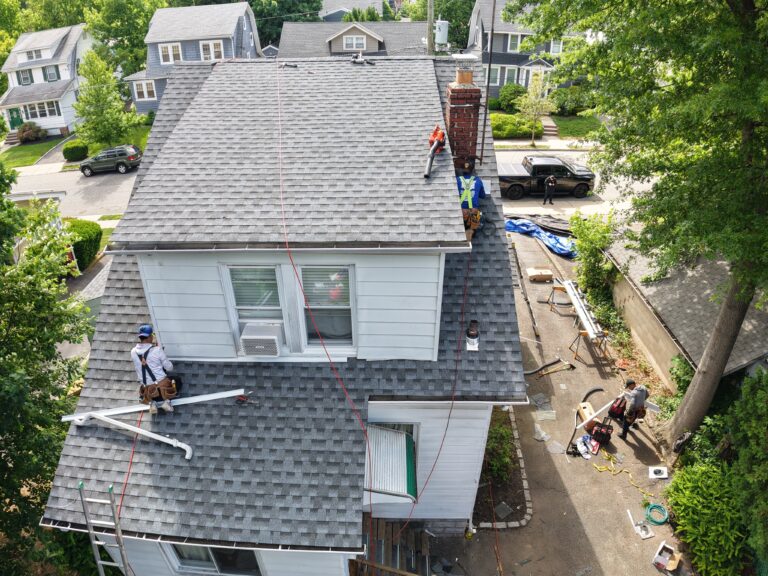
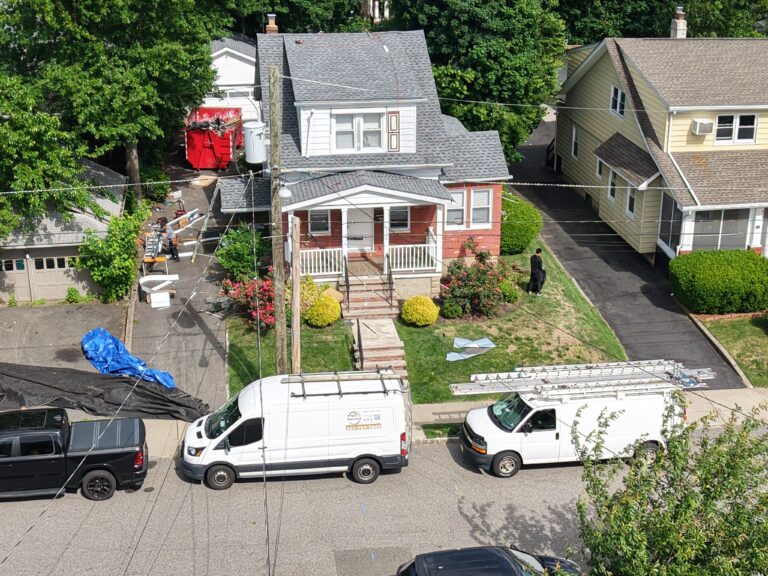
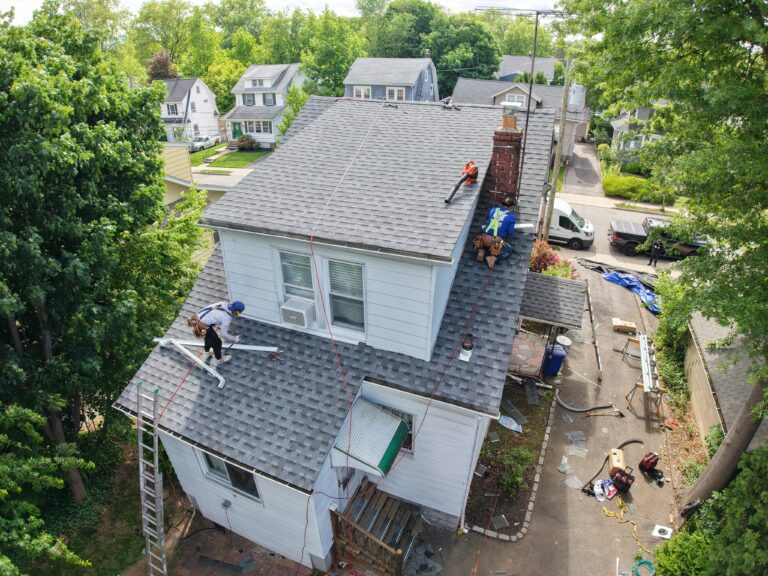
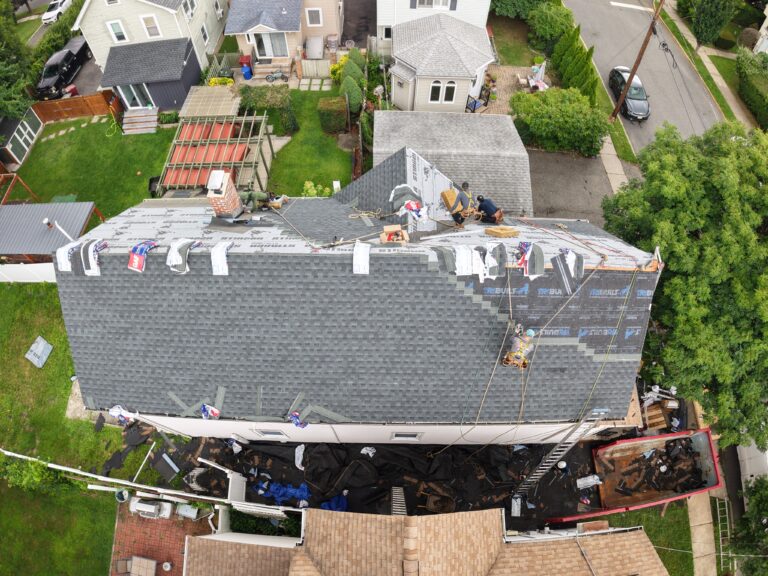
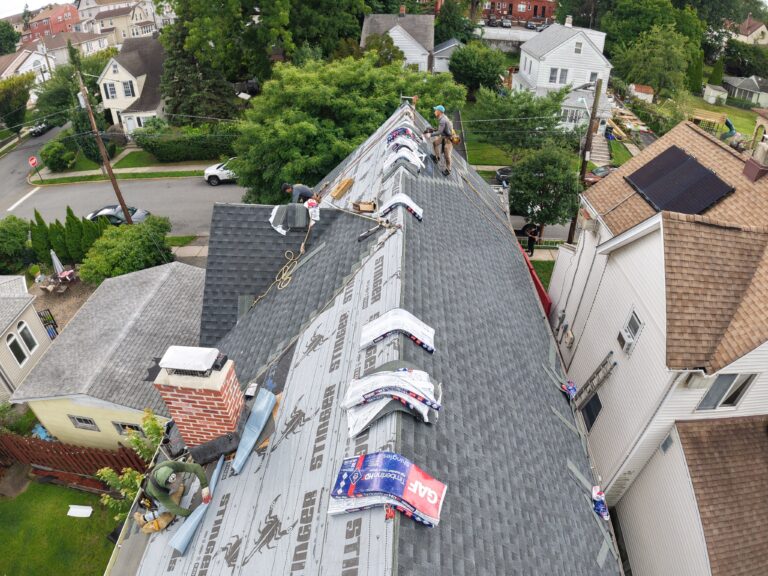
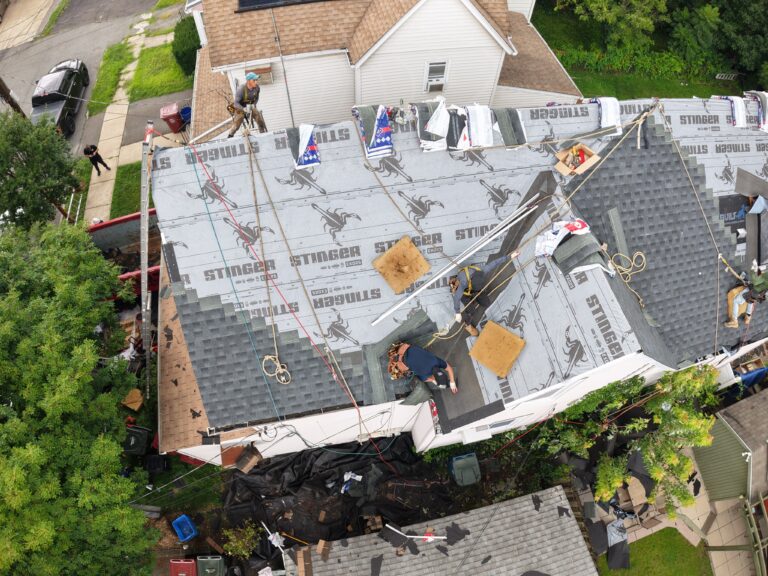
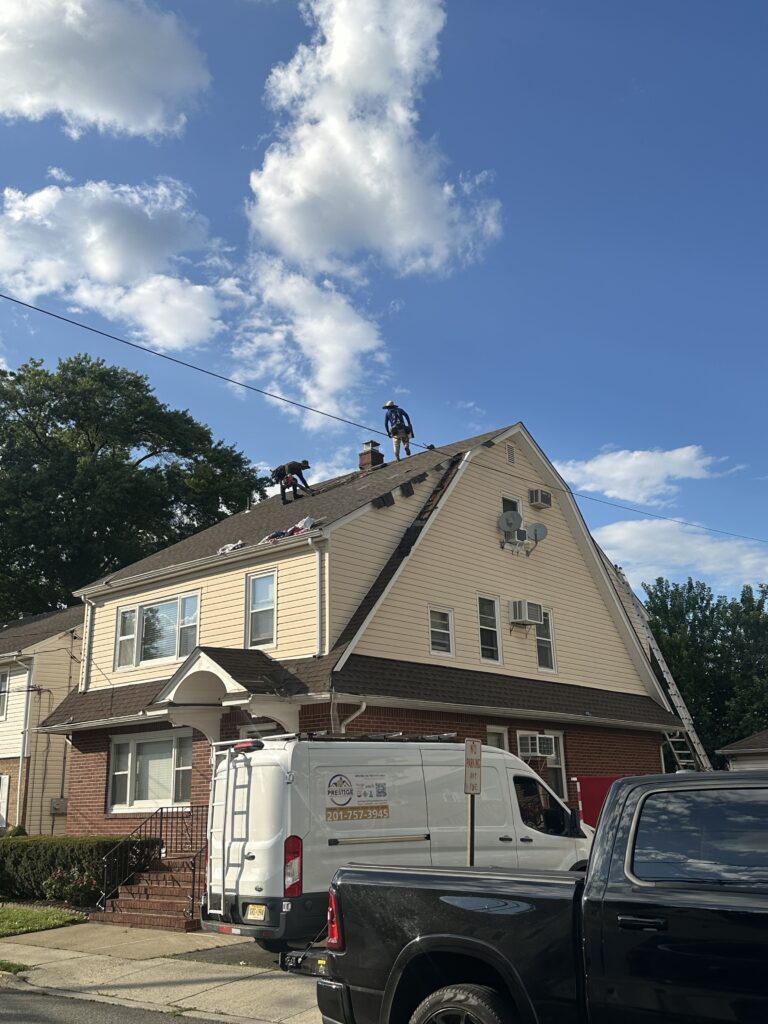
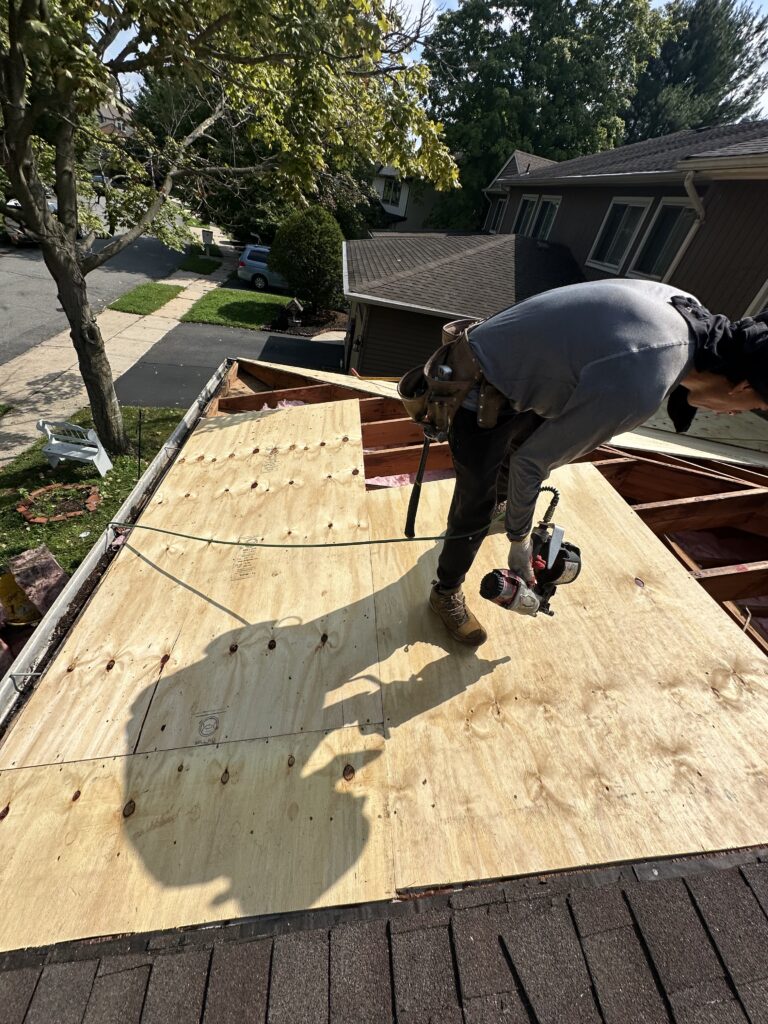
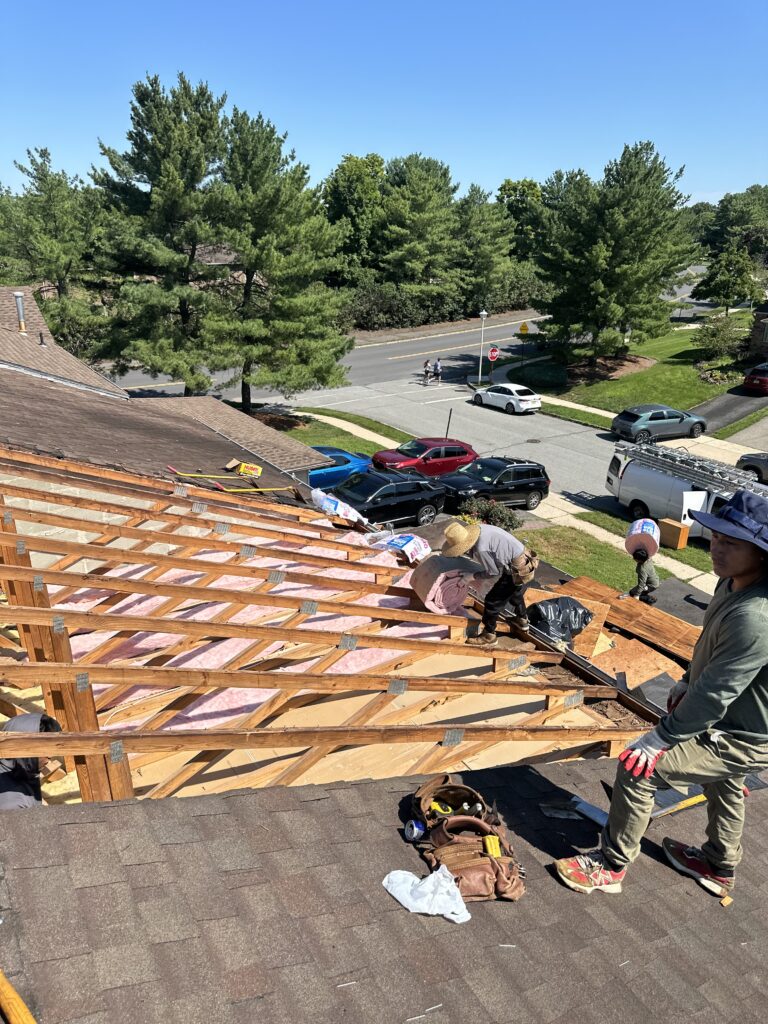
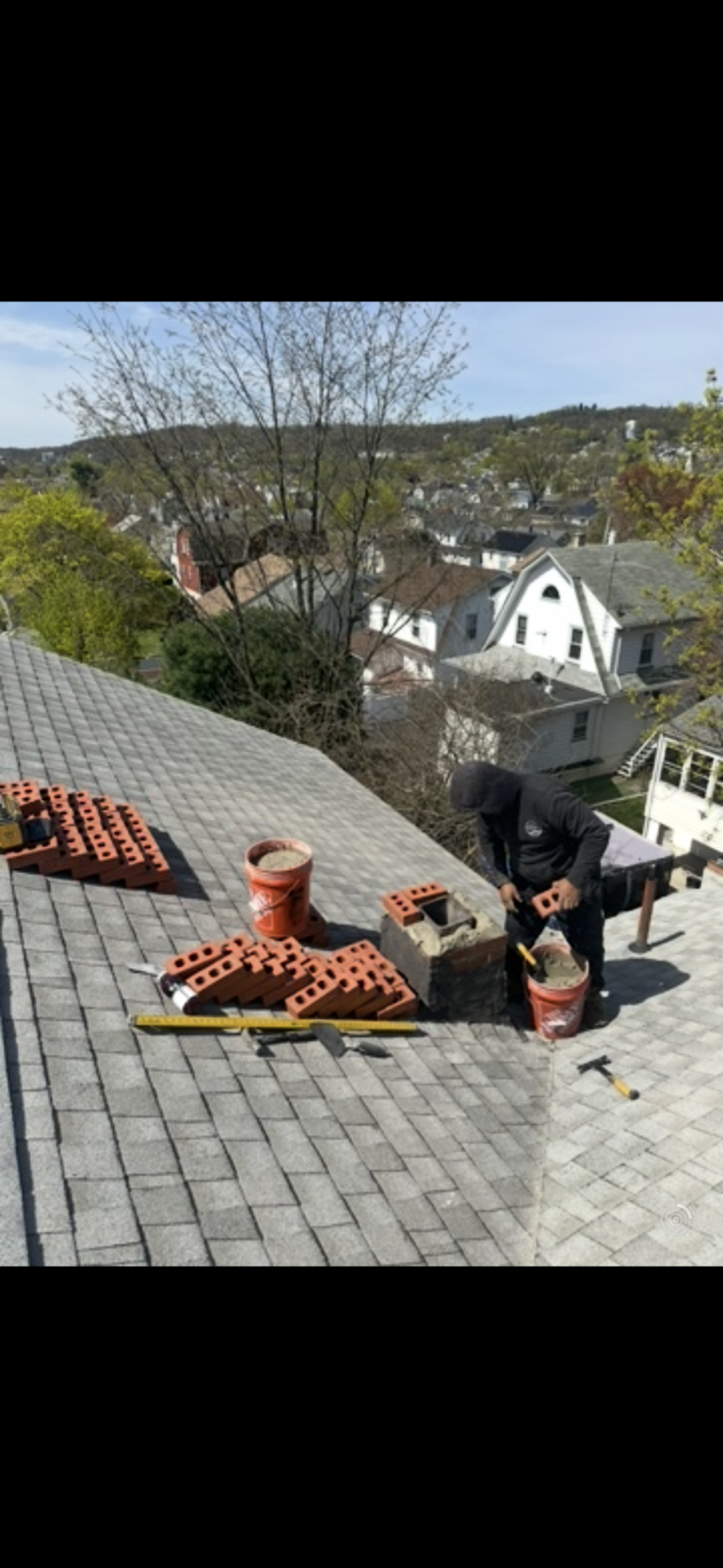
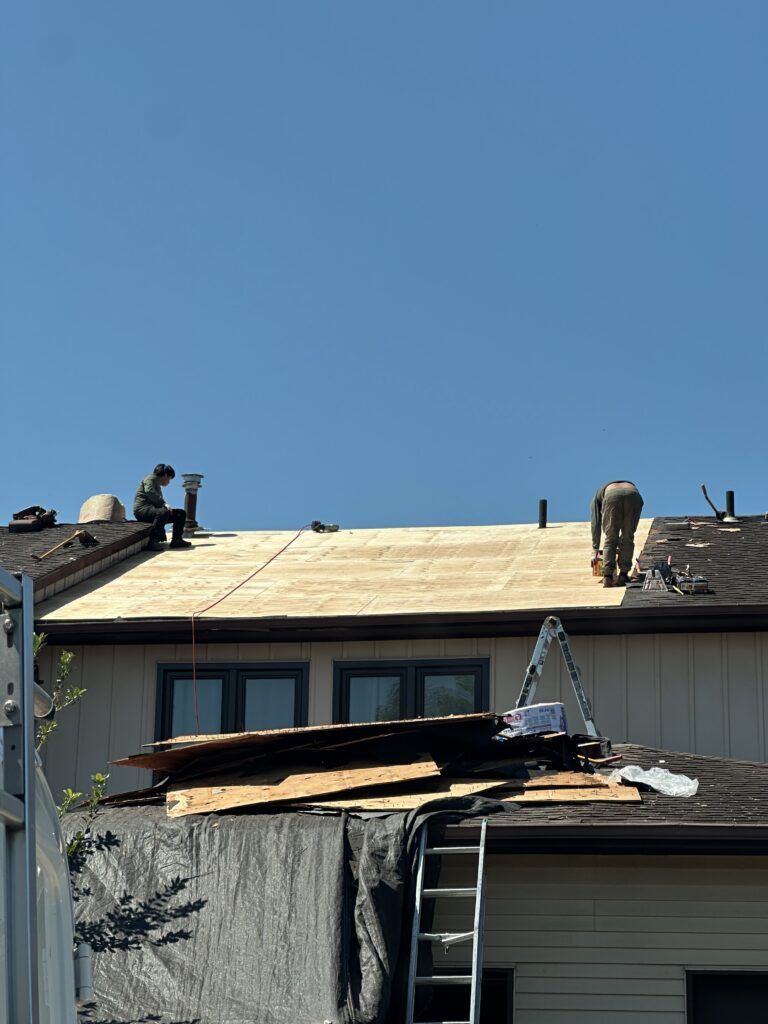
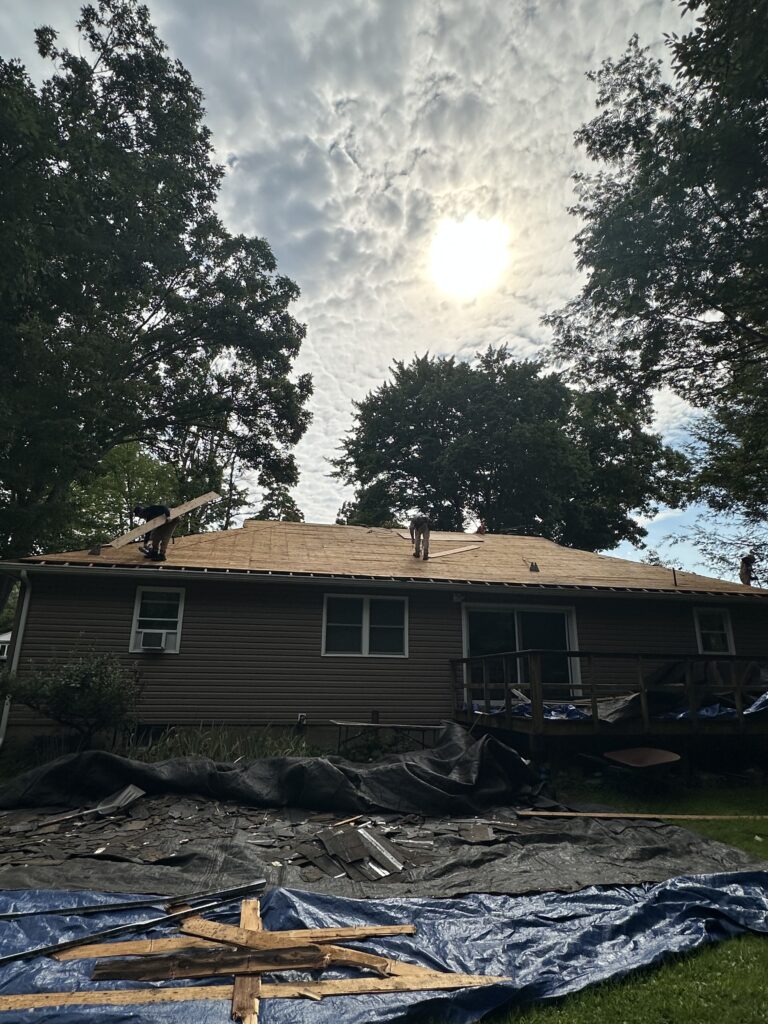
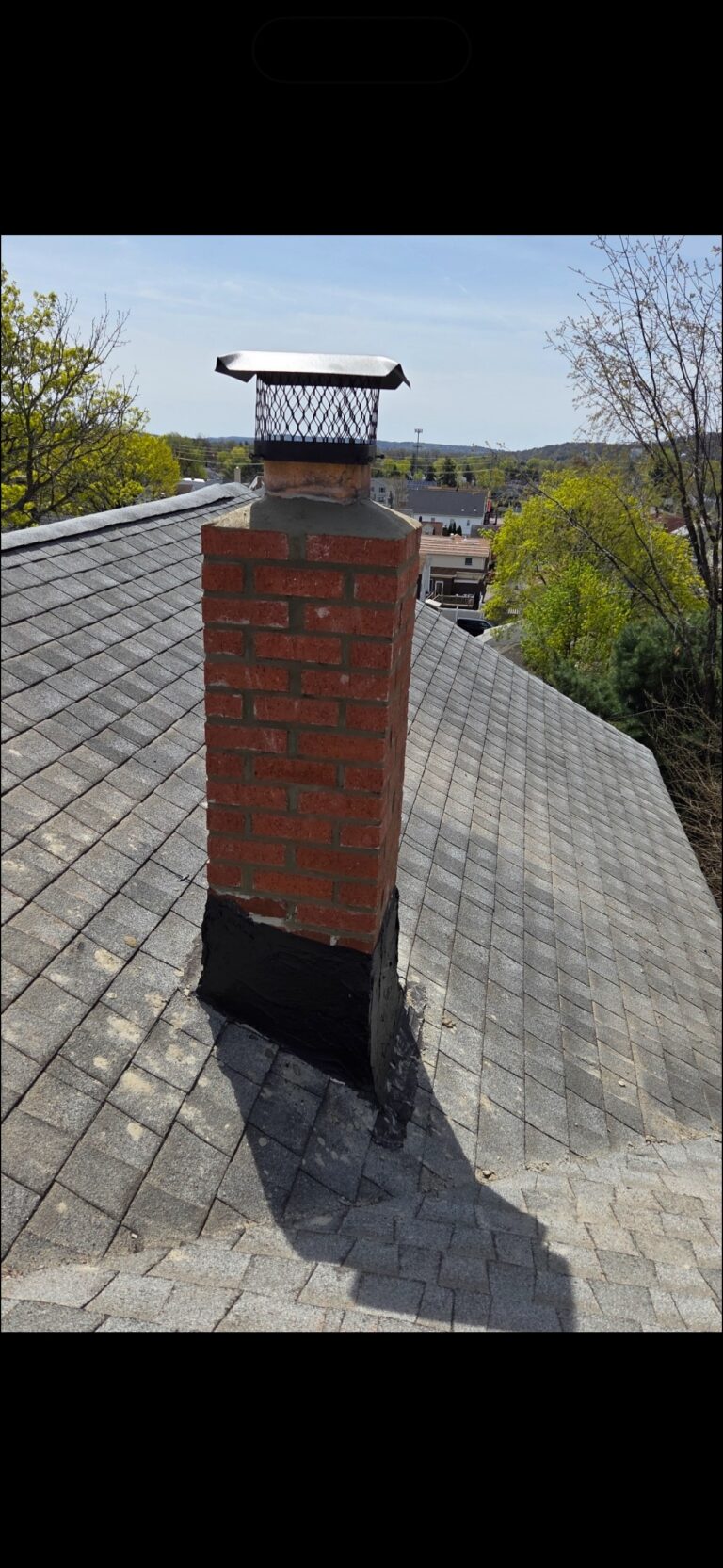
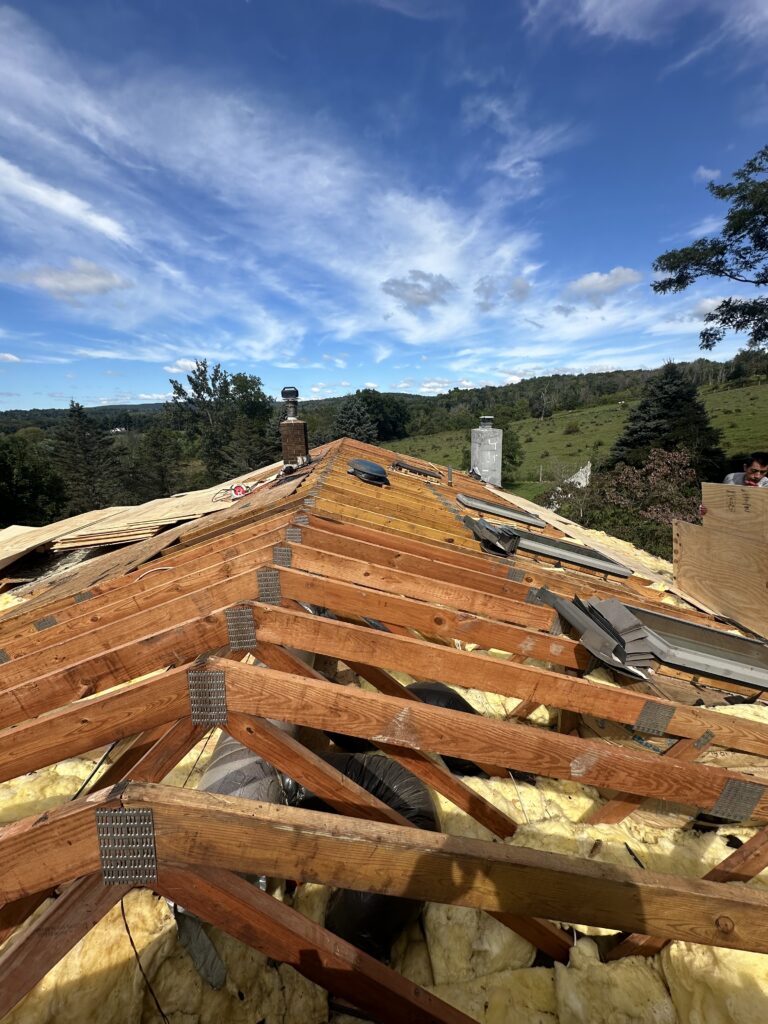
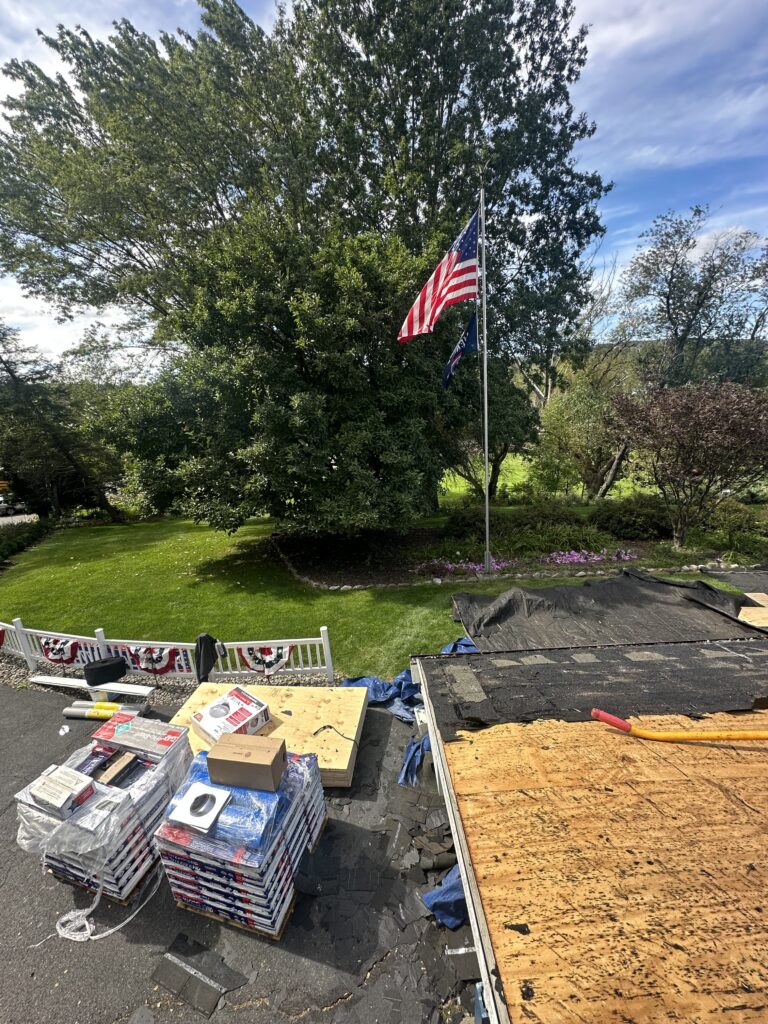
30 real jobs from around New Jersey. Tap a photo to see it larger.